

https://www.emp-online.com/p/monuments-to-absence/557021St.html
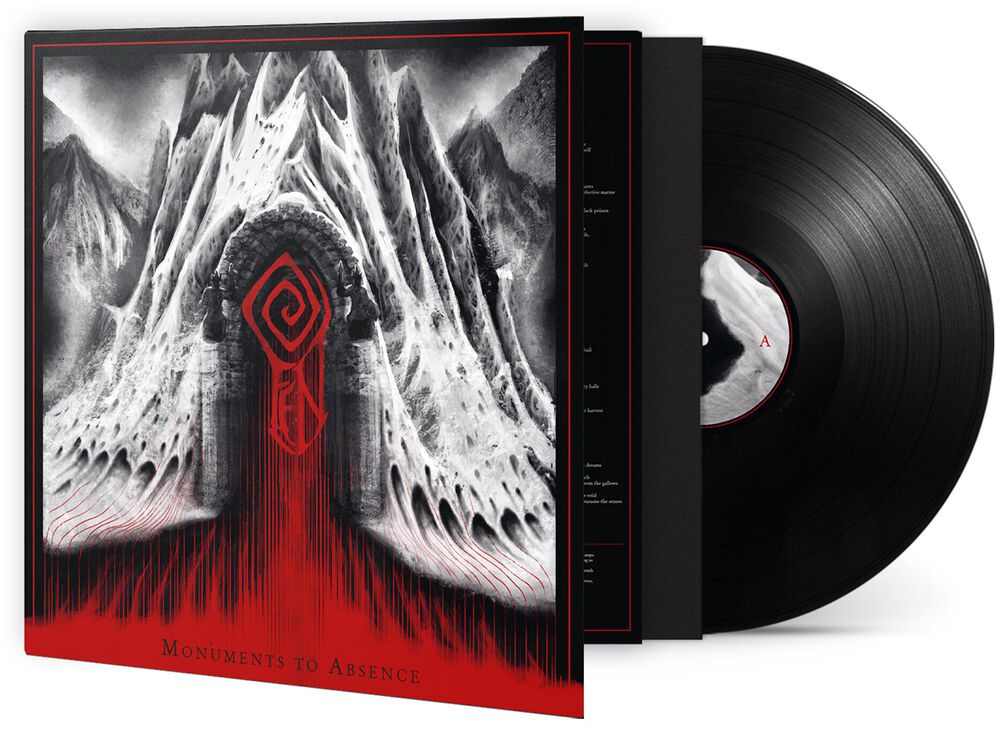
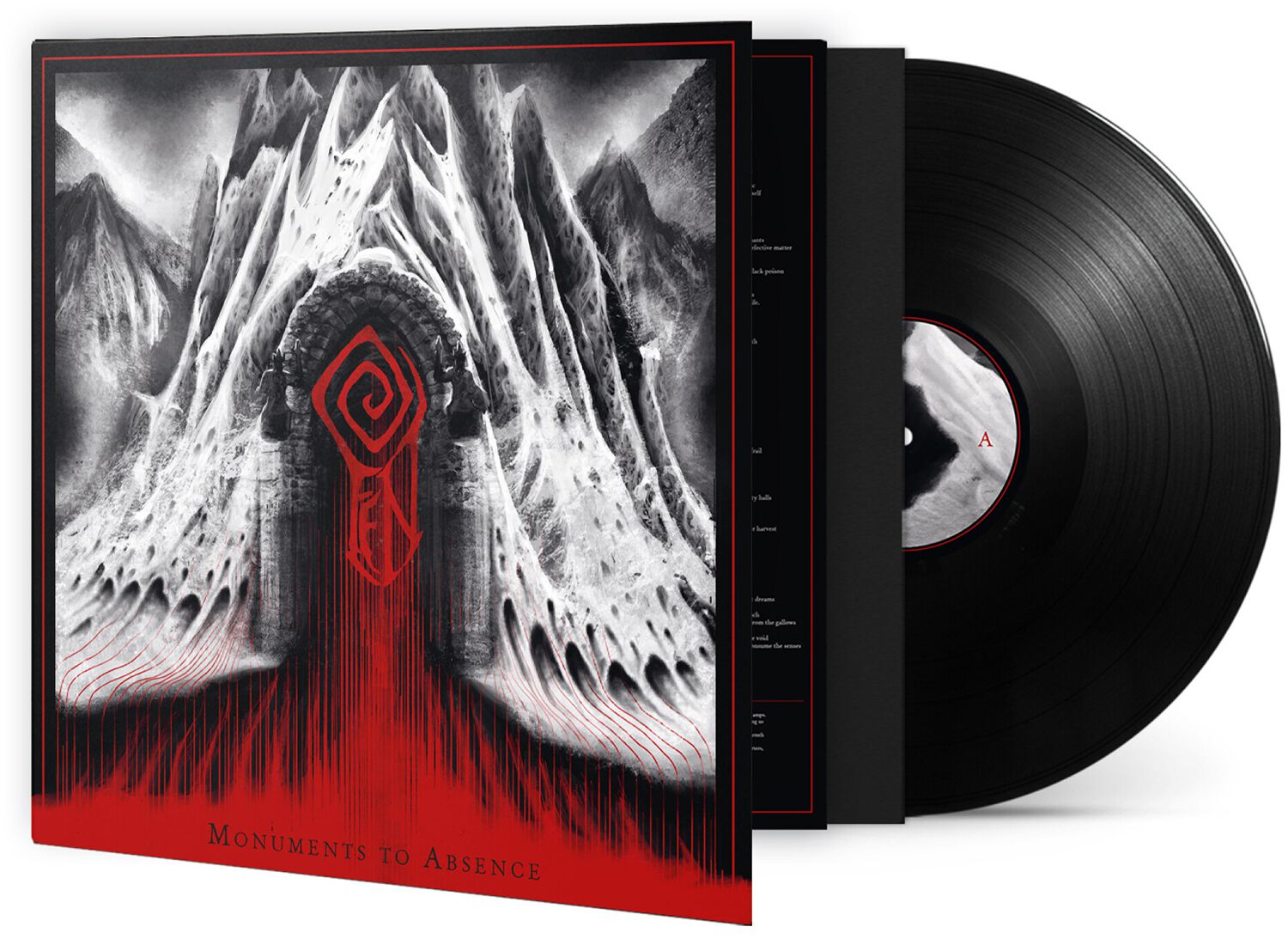

Released on black vinyl.
True fans know that the colour of each FEN album already indicates its lyrical and musical orientation. Now for the first time ever, the post-black metal trio from East Anglia has used the colour red, which is featured in the cover art of their seventh album ‘Monuments to Absence’. FEN accordingly describes the album’s content as an expression of anger, hopelessness and despair. Their rage is born from the helplessness they feel in the face of a human species that, for lack of discernment, seems to be doing everything in its power to destroy itself. The distinctively heavy, black sound of ‘Monuments to Absence’ perfectly reflects what this album has in store. These are hands down the most extreme recordings FEN has ever released. But don’t fret, you can also find those moments of ambient beauty, wide clean passages, heavy feelings of doom and masterful riffs you know and love on ‘Monuments to Absence’. FEN named themselves after the Fens, the desolate marshes of East Anglia. Their bleak, melancholic landscapes have deeply impacted the sound of these English post-black metal pioneers.
True fans know that the colour of each FEN album already indicates its lyrical and musical orientation. Now for the first time ever, the post-black metal trio from East Anglia has used the colour red, which is featured in the cover art of their seventh album ‘Monuments to Absence’. FEN accordingly describes the album’s content as an expression of anger, hopelessness and despair. Their rage is born from the helplessness they feel in the face of a human species that, for lack of discernment, seems to be doing everything in its power to destroy itself. The distinctively heavy, black sound of ‘Monuments to Absence’ perfectly reflects what this album has in store. These are hands down the most extreme recordings FEN has ever released. But don’t fret, you can also find those moments of ambient beauty, wide clean passages, heavy feelings of doom and masterful riffs you know and love on ‘Monuments to Absence’. FEN named themselves after the Fens, the desolate marshes of East Anglia. Their bleak, melancholic landscapes have deeply impacted the sound of these English post-black metal pioneers.
| Item no. | 557021 |
|---|---|
| Title | Monuments to absence |
| Musical Genre | Death Metal |
| Product topic | Bands |
| Band | Fen |
| Release date | 7/7/23 |
| Gender | Unisex |
| Product type | LP |
|---|---|
| Media - Format 1-3 | 2-LP |